Do lemon trees have thorns? (Quick answer!)
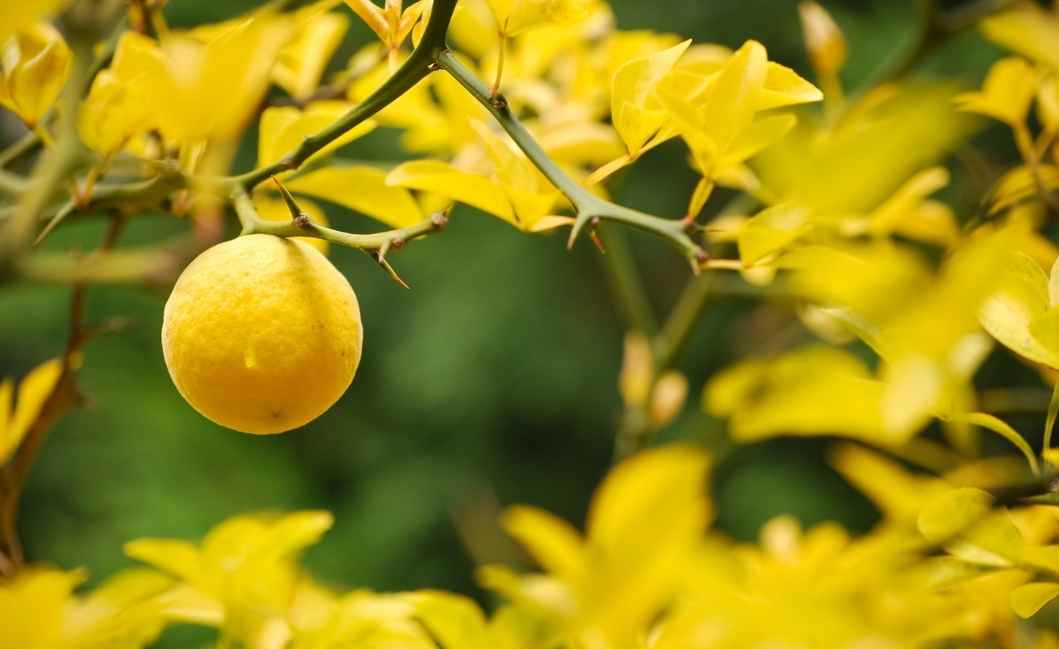
Lemon trees have thorns that can cause some pretty deep scratches. To protect your skin, wear a long-sleeve shirt, long pants, sturdy shoes, and eye protection, especially when pruning larger trees. It is also important to understand how to operate pruning tools, especially chain saws but also loppers , before you climb a ladder to reach high in the canopy.
Are Lemon Tree Thorns Poisonous? Eat, Sleep, Garden

Here's how to propagate a lemon tree. With a sterile, sharp cutting tool, take a six-inch cutting, making your cut at a 45-degree angle. The cut should be taken right below where a leaf and stem attach. Use a sharp cutting tool to remove all the leaves except for the top three leaves.
Why Do Lime Trees Have Thorns? Garden.eco
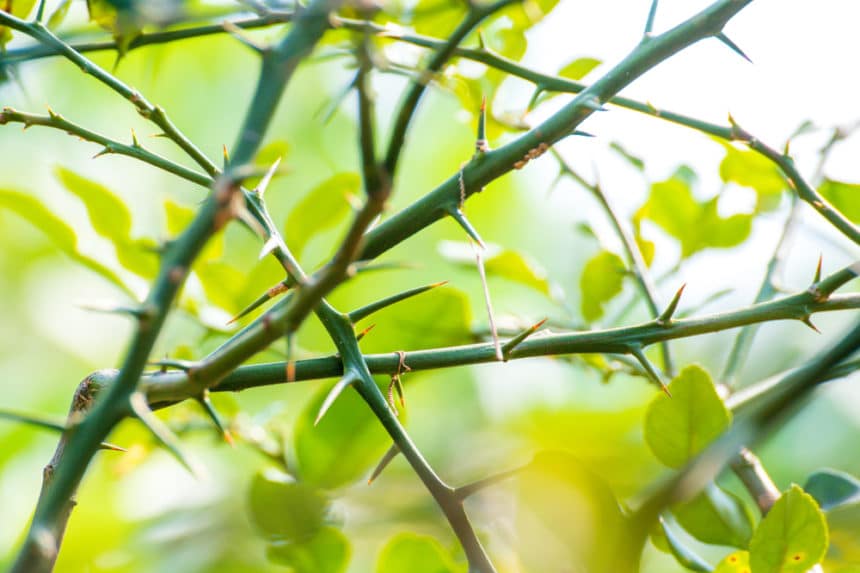
Lemon trees have thorns, which are also present in all citrus trees. These thorns grow at the nodes on the stem and usually appear on new grafts and fruiting wood. Sometimes, citrus trees outgrow their thorns, which is why you might never have noticed thorns on lemon trees before. Lemon trees have thorns to protect them against predators who.
Do Lemon Trees Have Thorns? » Top Facts
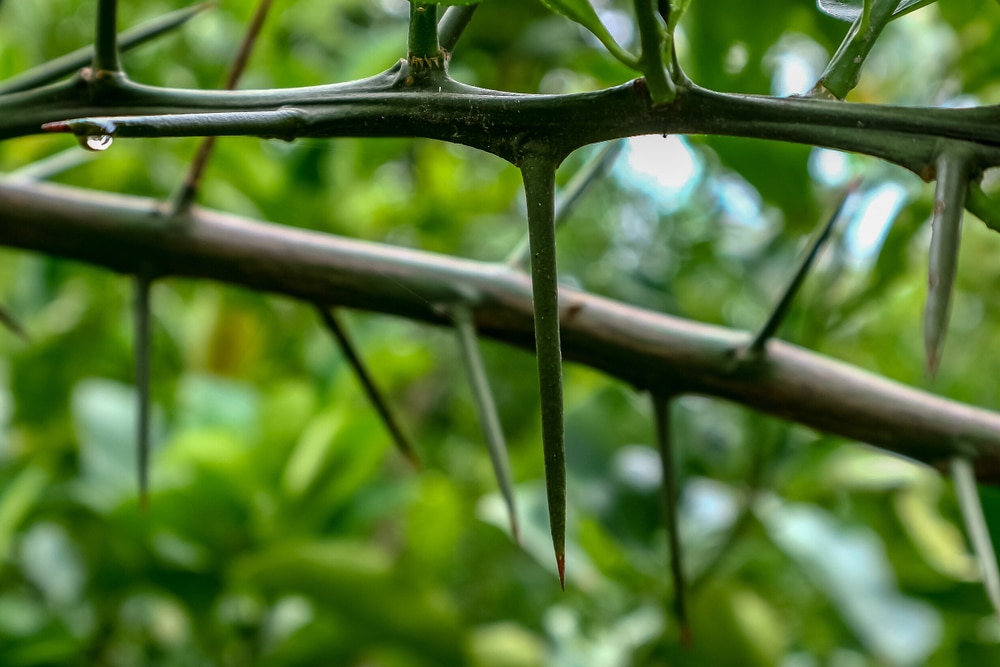
Orange trees (Citrus sinensis) Orange trees have thorns that are a bit blunt with small sizes present at the base of the leaves. This citrus tree has yummy sweet-flavored fruits though some other varieties might include hard thorns and sour fruits. Not just this some varieties of orange trees have bitter fruits that cannot be even consumed.
Citrus Fruit Thorns Reasons For Thorns On A Citrus Tree

To Maintain Its Stability. Do you know thorns help maintain the tree's stability by adding extra support to the branches?Hence, few lemon tree species are known to develop thorns to prevent their constituents from breaking or snapping under heavy weight or strong winds.. To Promote Growth. With the help of thorns, the lemon trees can provide the reasons like water and the growth of new.
Do Lemon Trees Have Thorns? » Top Facts
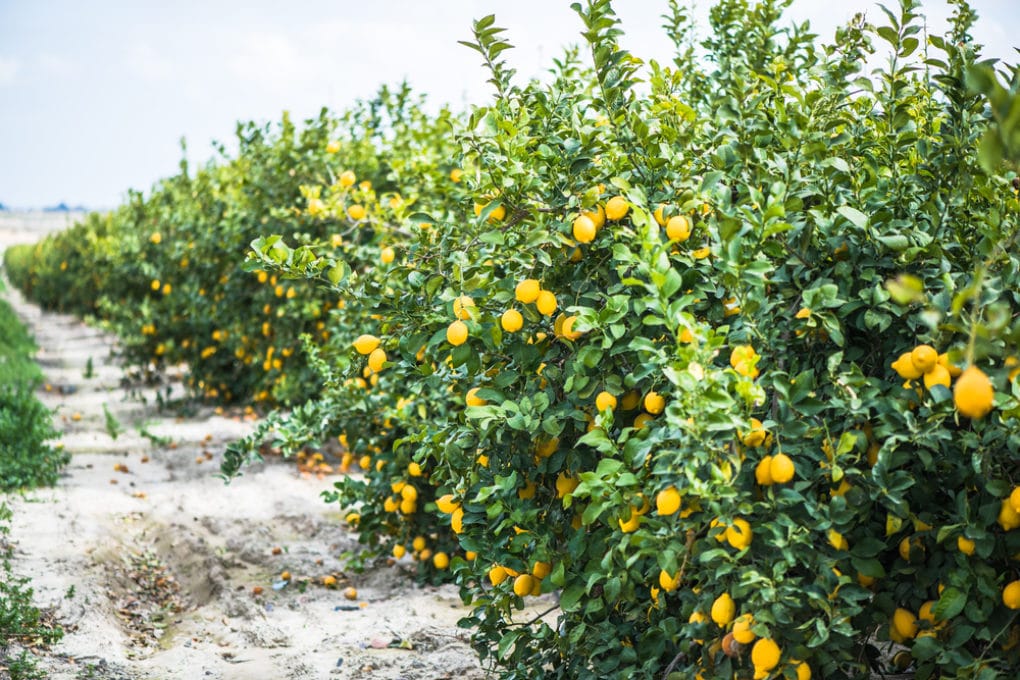
For most lemon tree varieties, thorns come with the territory. A few cultivars, however, have been bred to be thornless or nearly so: 'Eureka,' a spreading 8- to 10-foot tree, produces large, tangy and exceptionally aromatic lemons all year long. 'Improved Meyer' grows 6 to 10 feet tall, with purple-tinged, white blossoms in spring and.
Lemon Tree Thorns
:max_bytes(150000):strip_icc()/lemon-tree-plant-profile-4846327-1-793169730e434a16928d961dbcbdc94c.jpg)
Most lemon tree varieties have thorns, which serve as a natural defense mechanism against herbivores that may feed on their leaves, fruit, or bark. The size and number of thorns can vary depending on the tree's age, species, and overall health. However, there are some lemon tree varieties, such as the Improved Meyer lemon tree and some dwarf.
Citrus Fruit Tree With Thorns Fruit Trees

Thorns protect the delicate juvenile lime lemon tree from hungry animals that want to eat away at the tender leaves and fruits. As citrus trees grow and mature some lose their thorns while some retain them. Some of the factors that contribute to your lemon tree being thorny are (1) Variety, (2) Rootstock, and (3) Canopy Sprouts. Best Lemon Tree.
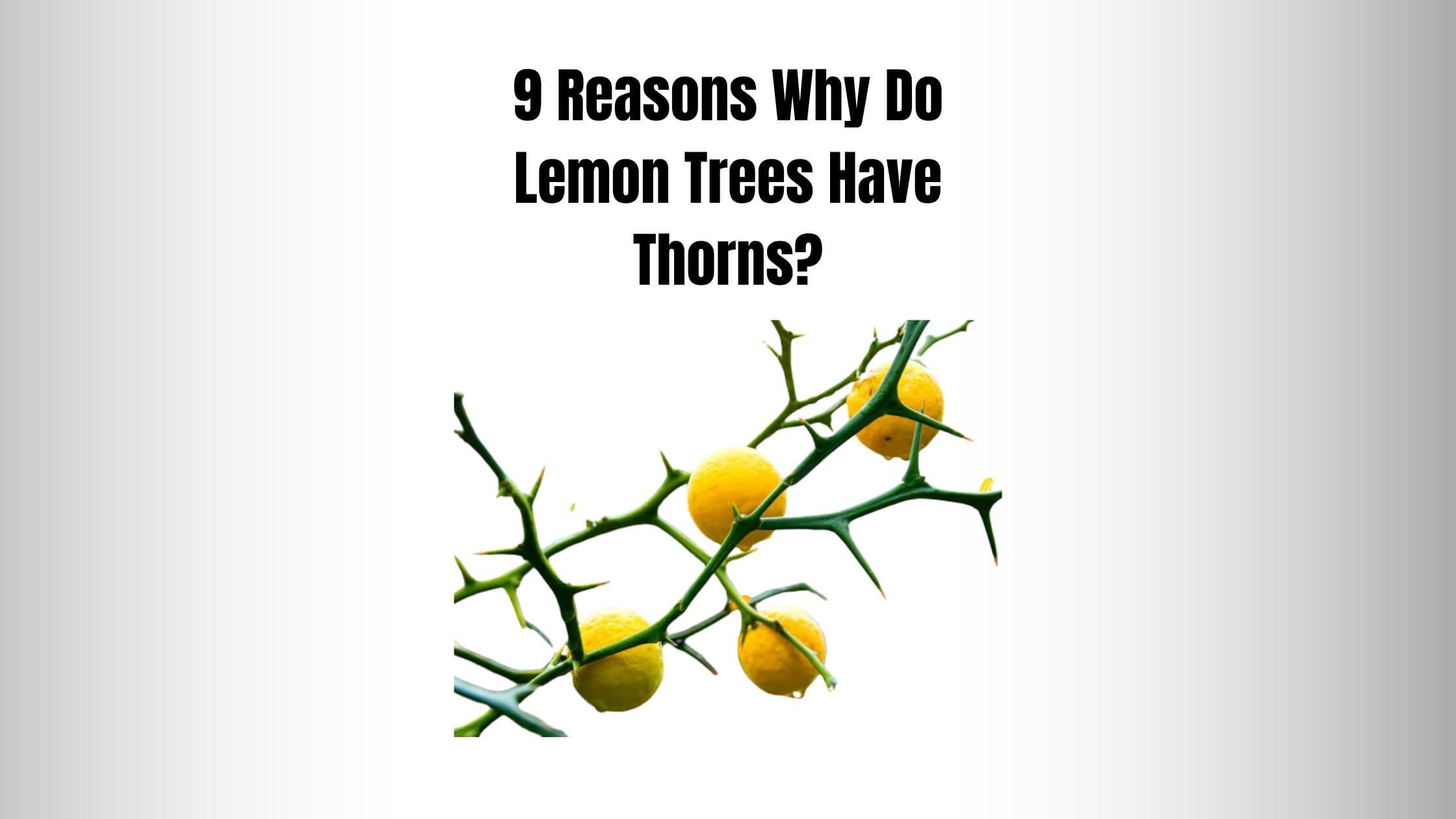
9 Reasons Why Do Lemon Trees Have Thorns? Everything Arboriculture
Water. Unlike many other fruit trees, citrus trees like the Meyer Lemon Tree grow best in slightly sandy soil. Sandier soil, which is composed of larger grain sizes, is better at draining water than heavy clay-like soils. For citrus trees, which prefer damp but not wet soil, sandier soils can be beneficial.
thorny lemon bush The lemon tree which amazes me by contin… Flickr

Yes, wild species of lemon trees usually have thorns. Lemon trees can be cultivars (variants produced by human breeding) or the species. The wild lemon trees are species, unless it's a cultivar that's been reintroduced to nature. A cultivar is a cross between species and cultivars or two cultivars with the goal of some desired trait.
Does a lemon tree have thorns? Yarden

Because all three of these parent species evolved with thorns, they gave this prickly trait to the lemon tree. Citrus trees create thorns by modifying stem cells in branches to end at a sharp point. Young citrus trees produce the most thorns as they need the most protection from herbivores. This helps them grow to maturity and bear seedy fruit.
Watering, Weeding, Pruning and Fertilizing your Lemon Trees Food Gardening Network
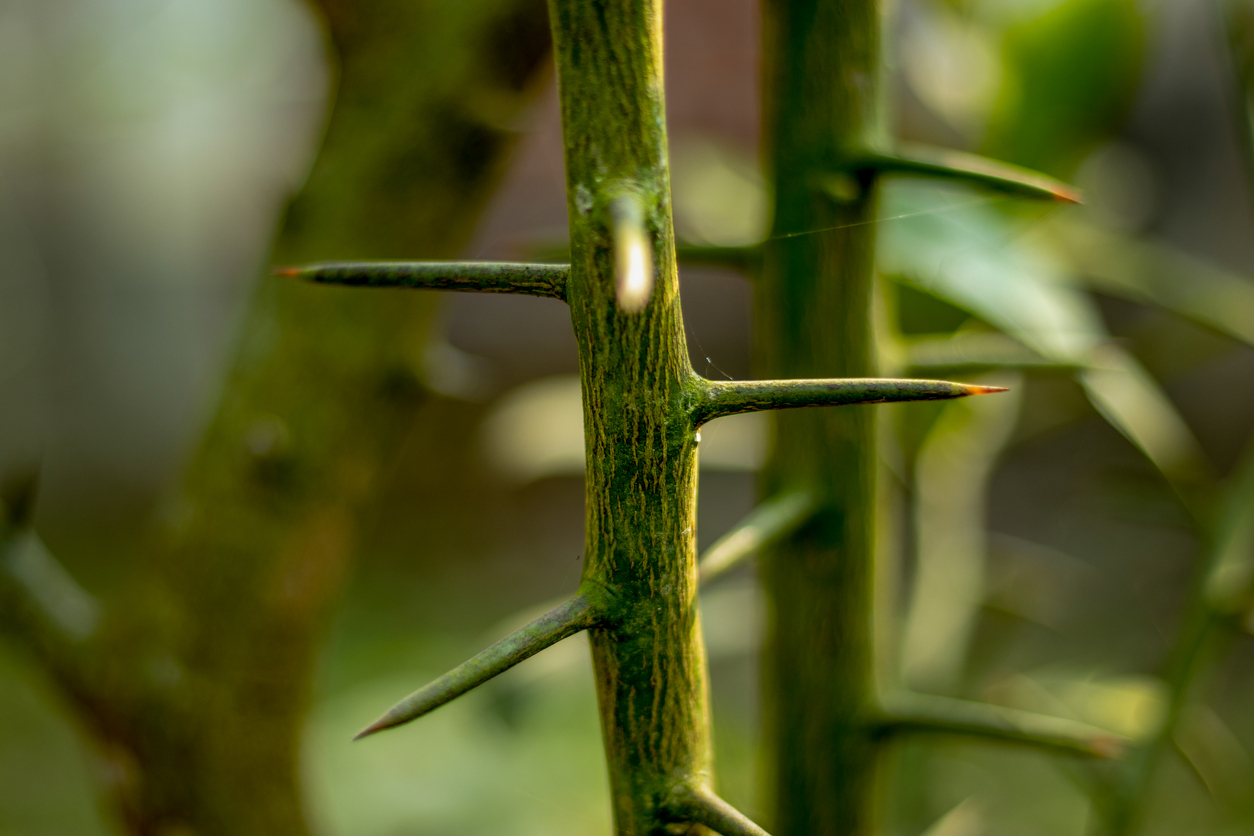
Small Thorns: Lemon tree varieties with small thorns typically have them spread all over the branches and trunk.These thorns may be shorter in length but are still effective in protecting the tree. Large Thorns: Some lemon tree varieties have larger thorns, which are more prominent and intimidating.These thorns act as a visual deterrent for potential predators and climbers.
Do Lemon Trees Have Thorns? How to Pick Them?
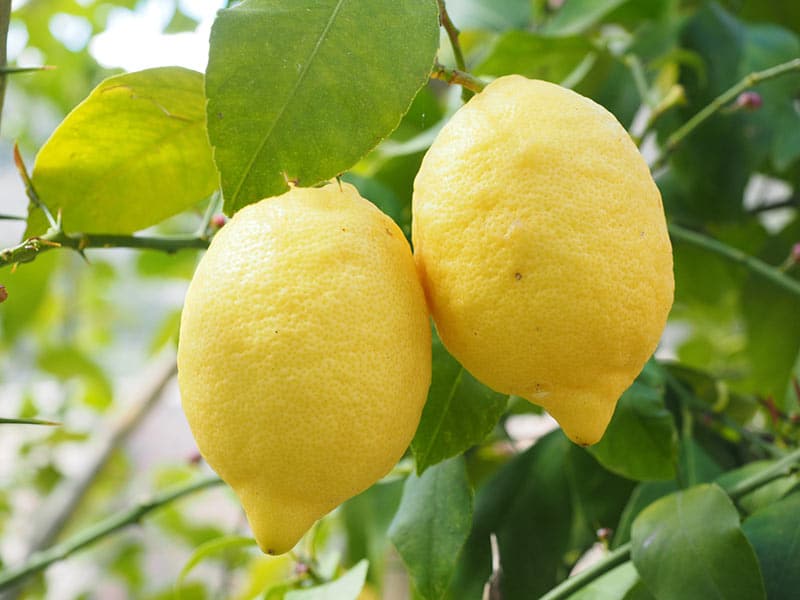
Dwarf lemon tree: A dwarf lemon tree evokes a sense of the tropics. The tree has hardly any thorns. It is a pretty house plant, and when fully grown, it will be between 4 and 6 feet tall. It can be planted both inside and outside. If you plant the tree indoors, you must hand pollinate it.
Why Do Lime Trees Have Thorns? Garden.eco
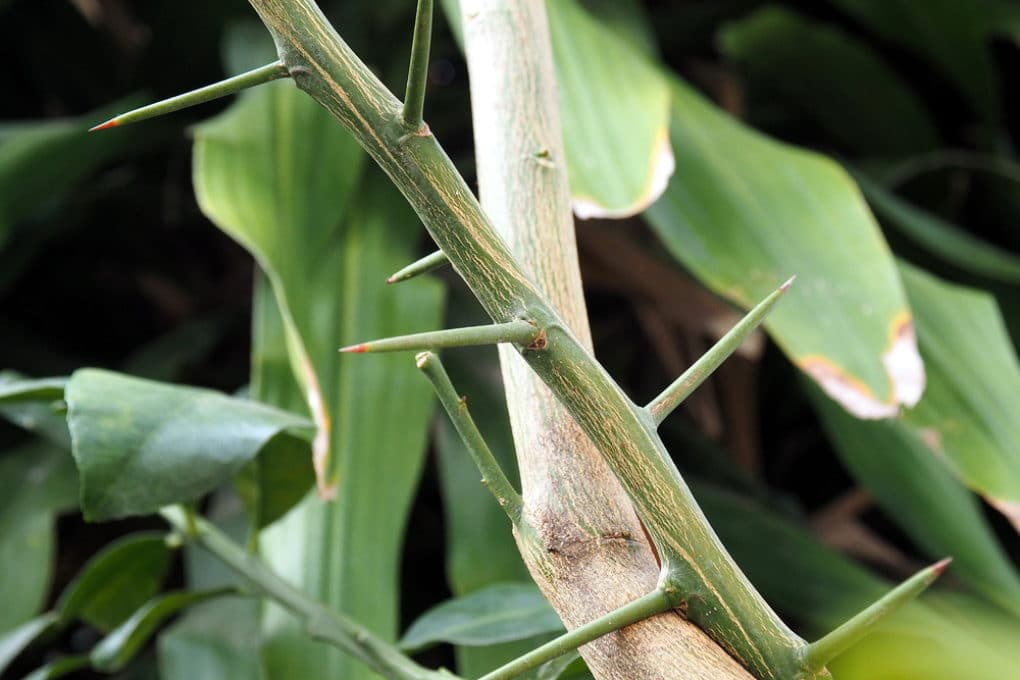
October 28, 2023 by Gordon Wesson. Many gardeners ask themselves whether they should remove thorns from lemon trees. Generally speaking, it is best to leave thorns on the tree as they serve both an aesthetic and practical purpose. Firstly, thorns serve as protection for the delicate leaves and fruit of the tree, ensuring it remains healthy.
Do Lemon Trees Have Thorns? How to Pick Them?
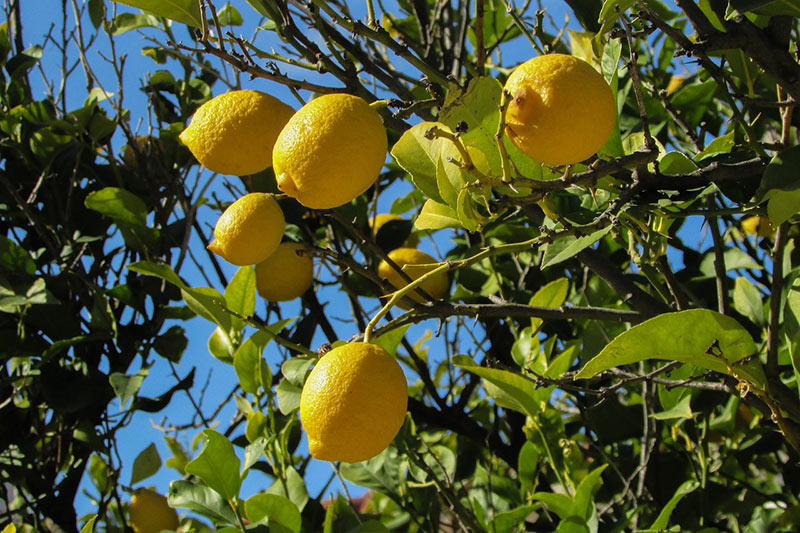
Spacing, Depth, and Support. Lemon trees grow 10 to 20 feet tall and 10 to 15 feet wide. Space accordingly. Dig a hole twice as wide and deep as the root ball. If the root is bound, cut across the ball a few times; this will loosen the roots and encourage them to reach for nutrients in well-drained fertile soil.
Why Lemon Appeal Is Gaining Favor With Florida Growers Growing Produce

Here are the common citrus trees with thorns: 1. Lemon trees. Lemon, botanically referred to as Citrus limon, is an acidic citrus fruit whose tree has spiky thorns on the twigs. Meyer lemon is one of the most common, thorny lemon trees. 2. Limes. Lime (Citrus aurantifolia) is a type of citrus tree that has thorny branches. Thorny limes yield.