PPT Administrative Law PowerPoint Presentation, free download ID3721492
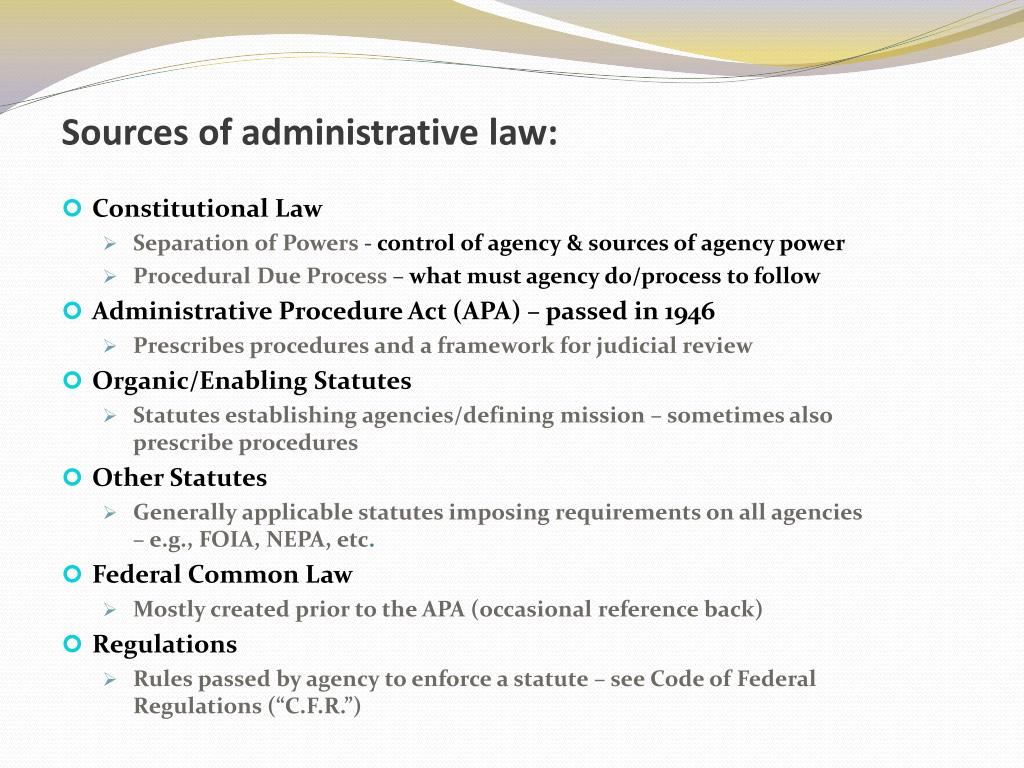
Administrative law is an important group of governmental law. In the United Kingdom, administrative law is created through judicial review. Its purpose is to hold bureaucratic agencies responsible.
PPT Administrative Law PowerPoint Presentation, free download ID1558071

Administrative Law: The body of law that governs the administration and regulation of government agencies (both federal and state). Created by Congress (or the state legislature) it encompasses.
PPT Researching Administrative Law PowerPoint Presentation, free download ID1695421

Administrative law is a division of law governing the activities of executive branch agencies of government. Administrative law includes executive branch rule making (executive branch rules are generally referred to as "regulations"), adjudication, and the enforcement of laws. Administrative law is considered a branch of public law .
PPT Administrative Law PowerPoint Presentation ID5709244

Law Administrative law. Administrative law is the legal framework within which public administration takes place. It derives from the need to create and develop a system of public administration under the strict order of law, a concept that can be compared to the much older notion of justice under law.Since administration involves the exercise of power by the executive branch of government.
PPT Administrative law Civics lesson PowerPoint Presentation, free download ID4586391
administrative law. Administrative law refers to the branch of law governing the creation and operation of administrative agencies. The powers granted to administrative agencies are particularly important, along with the substantive rules that such agencies make, and the legal relationships between agencies, other government bodies, and the.
8 scopes of administrative law

Administrative law (commonly called regulatory law) is law promulgated and enforced by an administrative body (usually an agency) according to that body's area of responsibility.Administrative law sometimes receives less attention than its more prominent "law" siblings (statutes and case law), but from building a bridge to baking a bundt (and everything in between), administrative law has a.
Administrative Law Review American University Washington College of Law
Administrative law is a body of law which governs federal and state administrative agencies, as well as the procedures these agencies must follow when making determinations, rulings, and rules.
(PDF) Administrative Law Concept, Definition, Nature, Scope and Principle and its Sources
Introduction to administrative law. Administrative law (sometimes referred to as 'public law') is a body of law which has developed principles which seek to ensure that public bodies act in a way which is legal, reasonable and fair. It provides a way to challenge maladministration or the misuse or abuse of power by a public body.
Administrative Law Scope, Definition and Emergence iPleaders

Abstract. The third edition of EU Administrative Law provides comprehensive coverage of the administrative system in the EU and the principles of judicial review that apply in this area. This revised edition provides important updates on each area covered, including new case law; institutional developments; and EU legislation.
The Meaning, Scope, Definition and Significance of Administrative Law Law Times Journal

Administrative law is a branch of public law that deals with the legal framework governing the actions and decisions of public authorities, agencies, and regulatory bodies. It primarily aims to ensure accountability, transparency, and procedural fairness of these entities.
Ppt Introduction To Administrative Law Powerpoint Presentation, Free 196
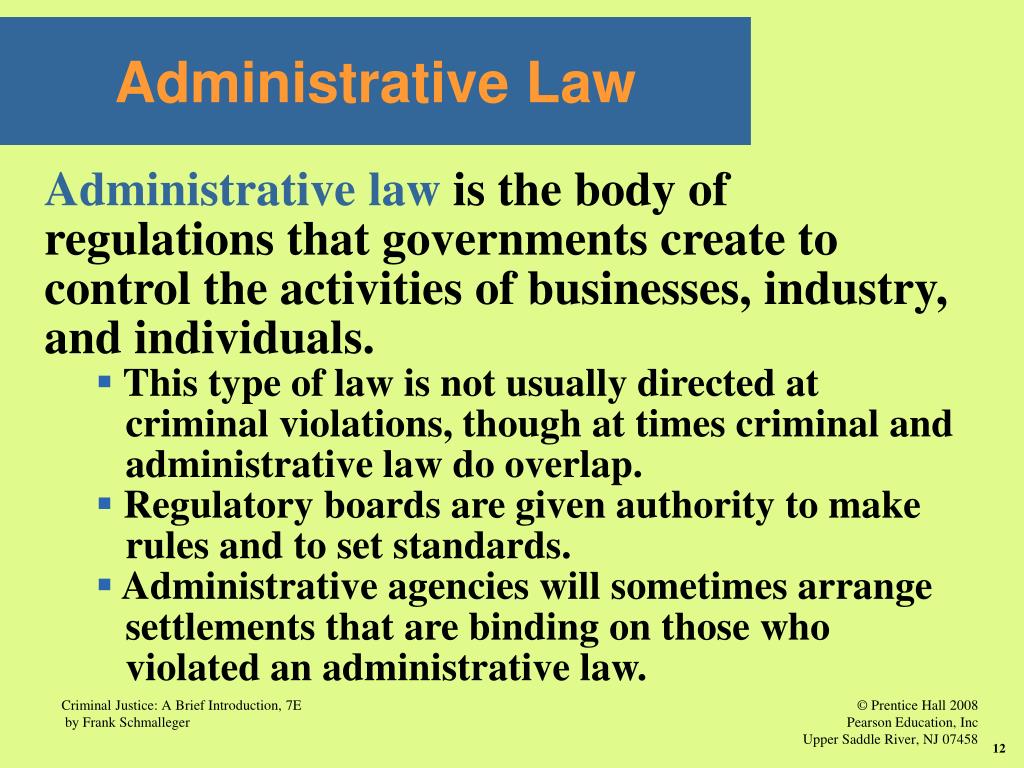
United Kingdom administrative law is part of UK constitutional law that is designed through judicial review to hold executive power and public bodies accountable under the law. A person can apply to the High Court to challenge a public body's decision if they have a "sufficient interest", [1] within three months of the grounds of the cause of action becoming known. [2]
Administrative Law
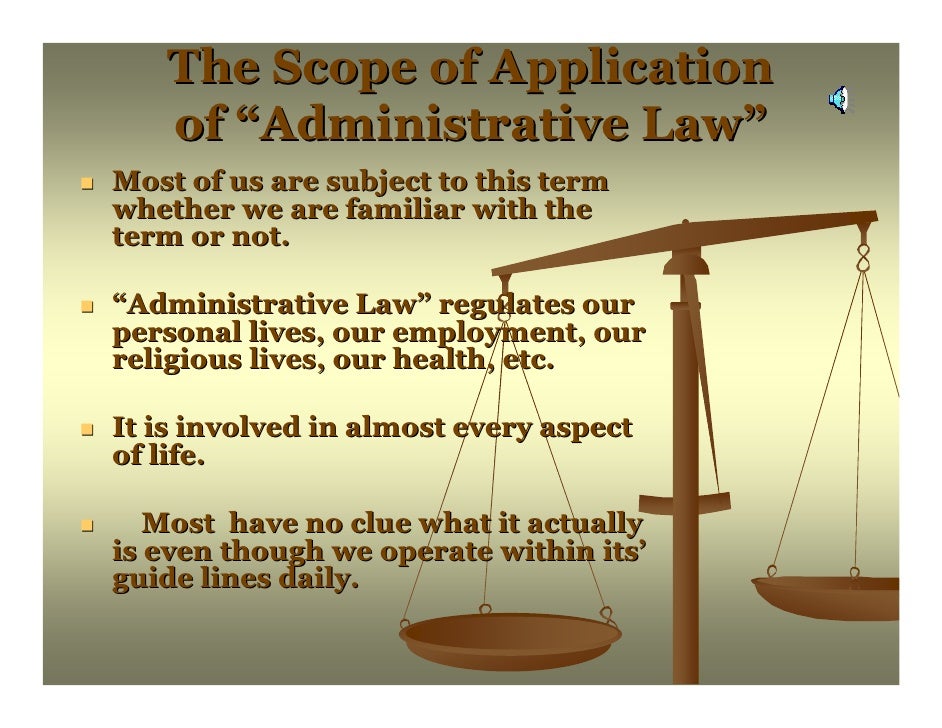
Administrative law is a practice area of public law. With more than a hundred different administrative agencies covering everything from transportation to workers' compensation, administrative law touches all aspects of life. The first recourse is usually an administrative hearing. For instance, suppose you receive Social Security payments.
Administrative Law Lawyers Discipline, Regulatory & Misconduct Calgary

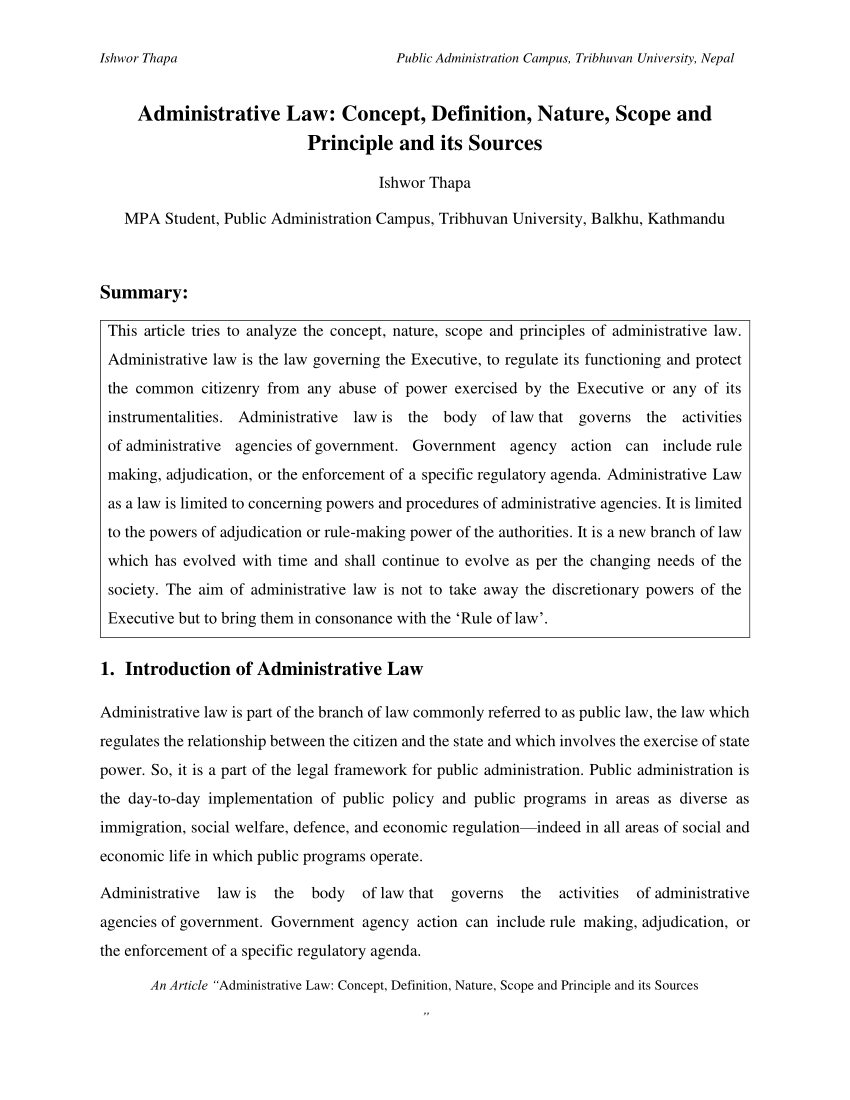
Administrative law is the law governing the Ex ecutive, to regulate its functioning and protect. the common citizenry from any abuse of power exercised by the Executive or an y of its.
Administrative Law is Shown on the Conceptual Business Photo Stock Photo Image of government

Administrative regulation through specialized agencies is a ubiquitous and rather permanent characteristic of modern policy-making. These agencies wield enormous power and, although their respective architectures are arguably in tension with our bedrock constitutional principles of separation of powers and representative democracy, the administrative state seems rather entrenched.
General facts to know about Administrative Law iPleaders

Administrative law may be identified on the four basics stone:-. 1. Checking constructive or abusive of the powers of the administrative authorities. 2. Ensuring citizens a just and fair solution or determination of disputes. 3. Protect from unauthorized curtailing of rights of the citizens. 4.
Administrative law
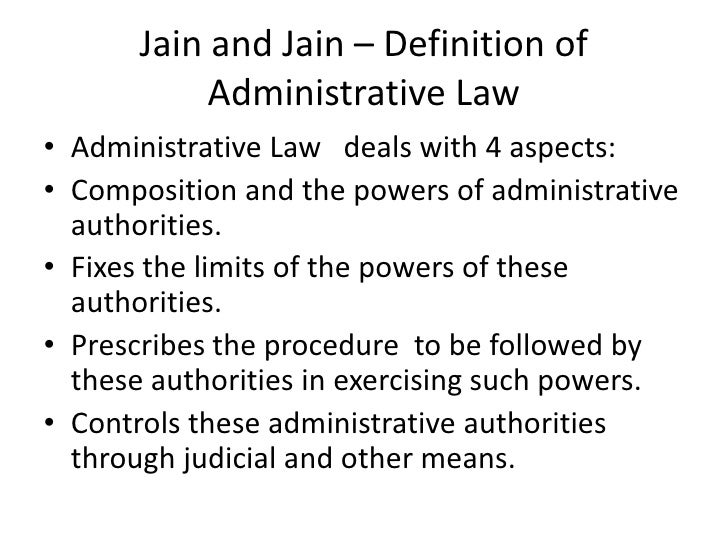
Administrative Law. Administrative law is a branch of public law that is concerned with the procedures, rules, and regulations of a number of governmental agencies. Administrative law specifically deals with the such administrative agencies' decision-making capabilities, as they carry out laws passed by state and federal legislatures.