Why Is Underwater Welding So Dangerous?

Inside the world of underwater welders. Over 60 feet under water, a student diver is practices welding in the south of France. Welders face hazards such as high water pressure and low visibility.
Underwater Welding Dangers
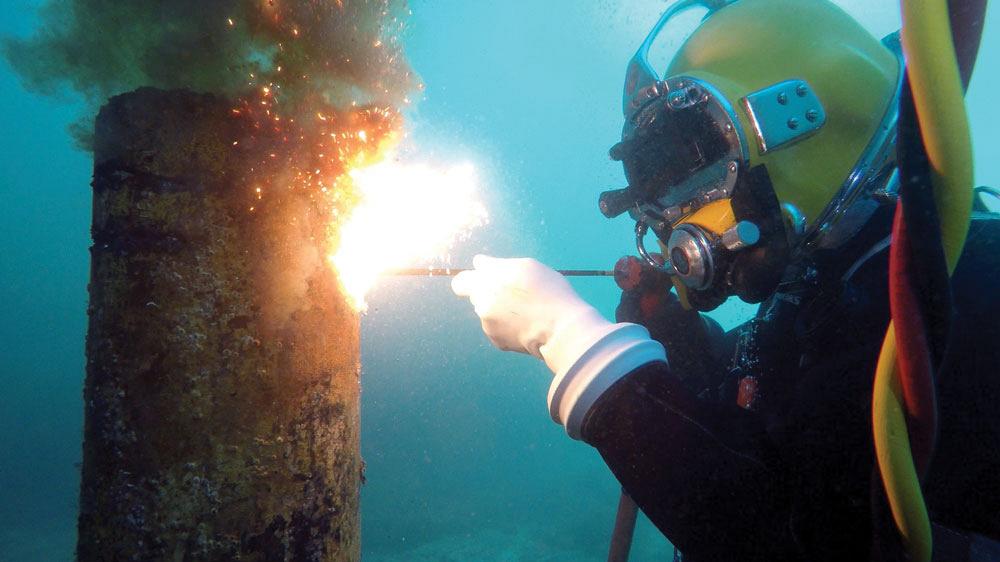
Some of the common risks of underwater welding are: Electrocution: Because underwater welders are handling electrical equipment underwater, the welders must be extremely careful. The risk of electrocution is very real. They have to wear special waterproof equipment and use thoroughly tested equipment so that the risk of malfunction is reduced.
Underwater Welding Dangers

But it also delves into the more difficult questions, such as how is underwater welding so dangerous and why do people do it. Offshore Injury Blog The Dangers of Underwater Welding. If you want a no-nonsense list, this is a great resource. According to the Offshore Injury Blog, some guesses have the underwater welding death rate at about 15%.
Underwater Welding Dangers
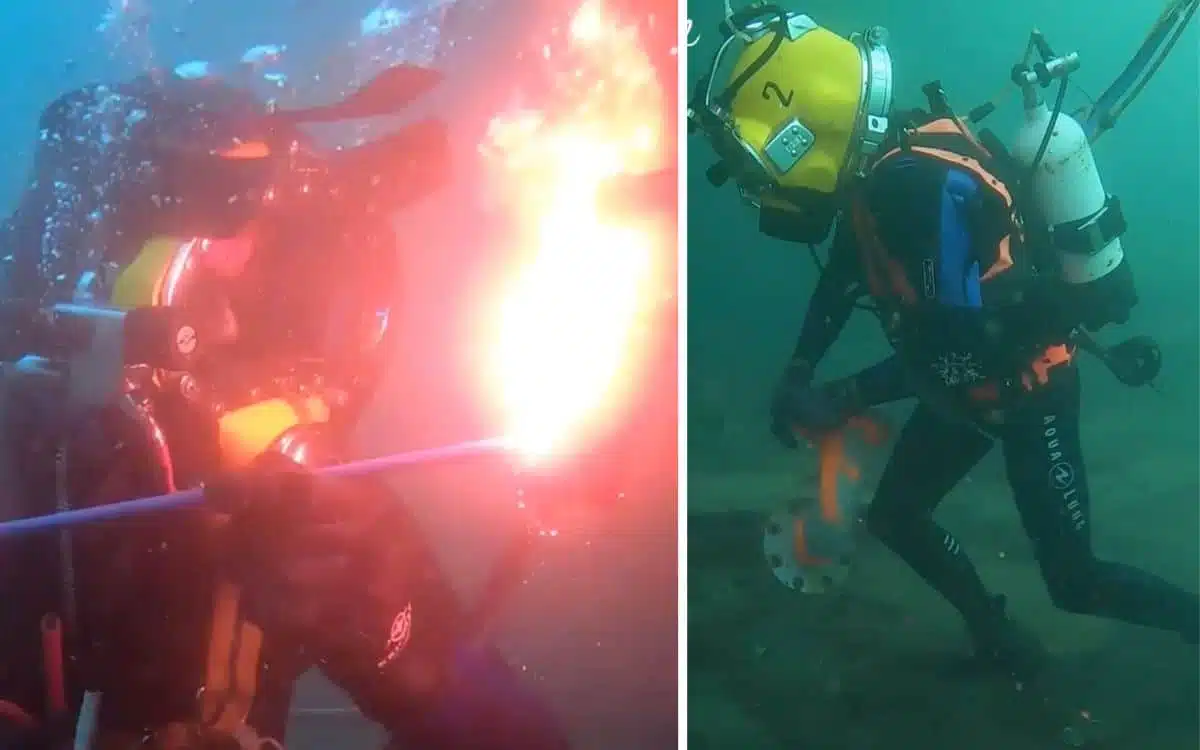
Why is underwater welding so dangerous? The main underwater welding dangers include electrocution, drowning, gas toxicity, and other effects of extreme pressure. Underwater Welding Dangers. The dangers of underwater welding require operators to be skilled at both welding and commercial diving. Before picking up a mask, professional training for.
Underwater Welding Dangers

Underwater welding is considered one of the most dangerous jobs due to the unique hazards of working underwater. The risk of drowning, electric shock, and fire or explosion are all significant risks that you must train welders to handle. In addition to these risks, welders may face physical challenges such as hypothermia and the need to move.
The Basics On Underwater Welding YouTube

Underwater welding is inherently dangerous due to factors that make it a high-risk profession. These factors include: Electric Shock Hazard: Welding involves the use of electricity, which poses a significant risk when combined with water. Even with rigorous safety measures, the potential for electric shock is always present.
an underwater welder NYD
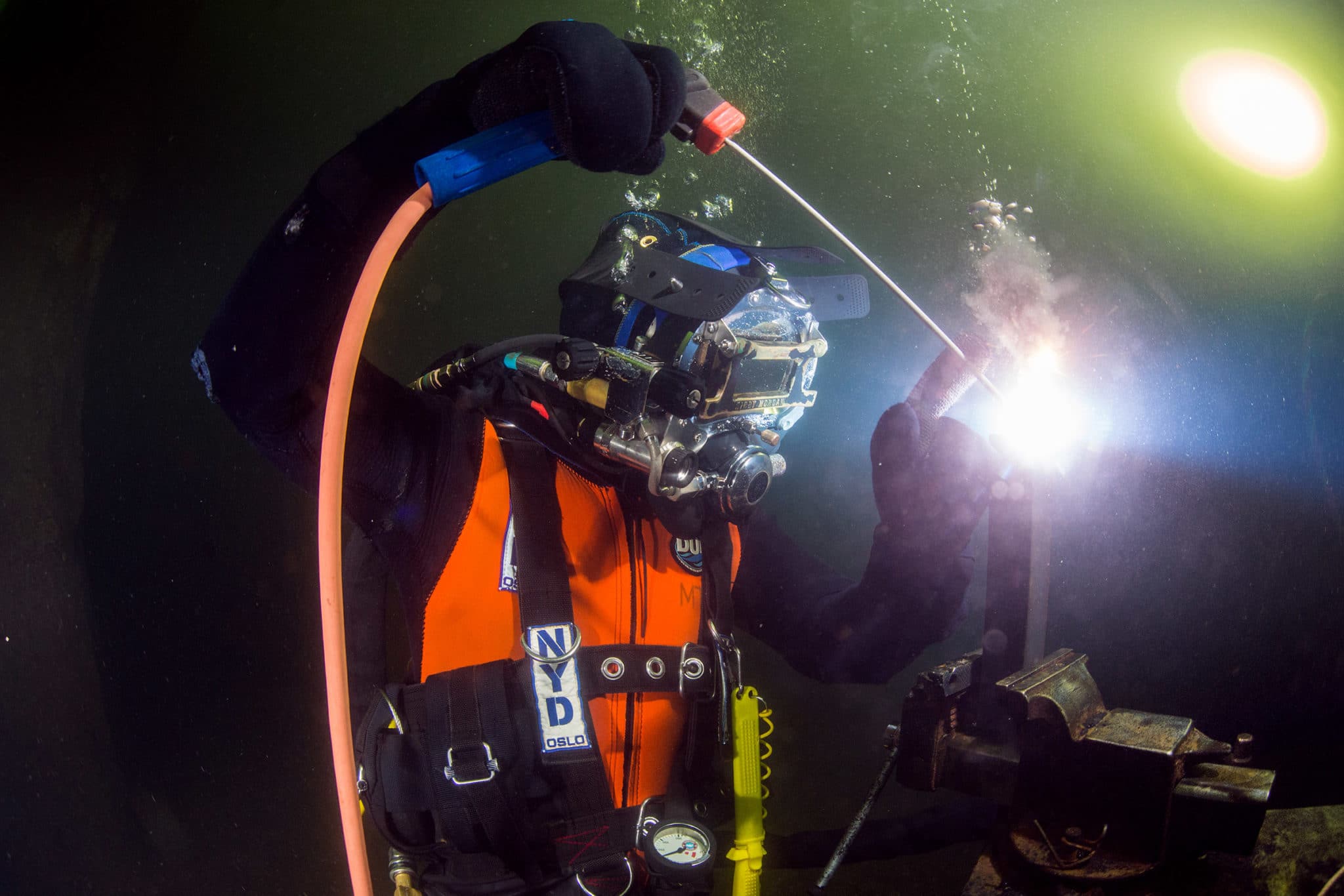
Most Common Hazards of Underwater Welding. It's no surprise that underwater welding comes with plenty of risks. Drowning is among the most common, but there are several other hazards that underwater welders have to watch out for.. Marine life - Sharks would be the most obvious dangerous species of marine life that underwater welders would encounter, but they aren't the only issue, nor.
Underwater Welding in the Antarctic Westermans Blog

The exploration of why underwater welding is so dangerous reveals a profession that balances immense risk with critical importance. Through continuous advancements in safety, technology, and training, the underwater welding industry strives to safeguard its workers while maintaining the essential structures that underpin key sectors of the.
Underwater Welding What You Need to Know Waylander Welding
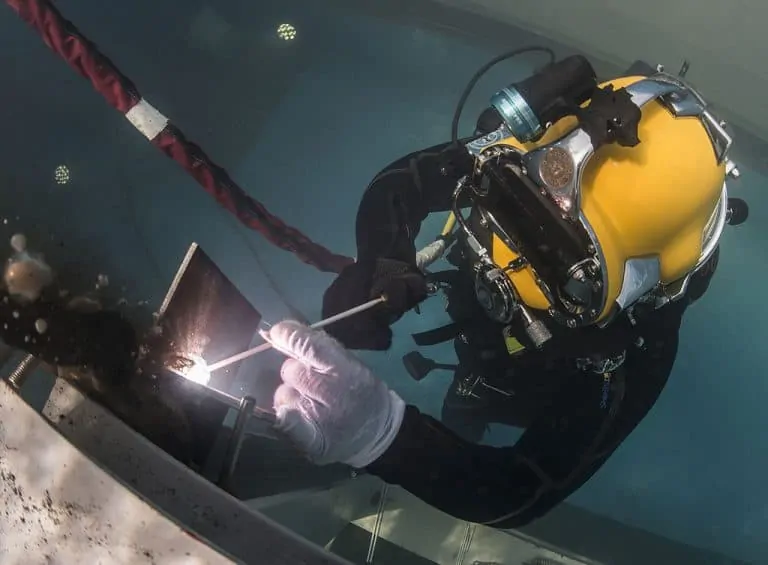
Oxygen Toxicity. Welding underwater can be extremely dangerous due to the high levels of oxygen in the water. Oxygen toxicity can occur when welders are exposed to high concentrations of oxygen, and it can lead to serious health problems such as respiratory distress, heart arrhythmias, and seizures.
Underwater Welding Death Rate and Life Expectancy
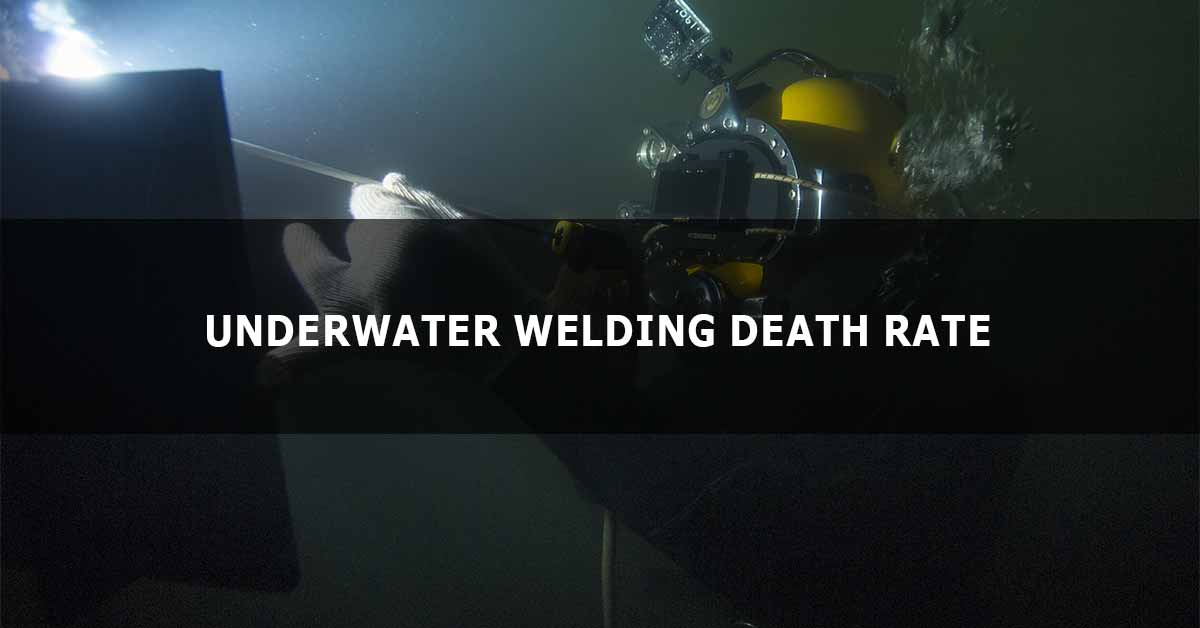
Underwater welding is dangerous because it requires working with high voltage in a hazardous environment. The diver is exposed to a range of risks including electric shock, strong currents, high pressure and extreme temperatures. Additionally, the diver must use specialized equipment and face the risk of decompression sickness due to the change.
Why is Underwater Welding So Dangerous? Risk Analysis

Why is Underwater Welding so Dangerous? Underwater welding is more dangerous than land-based welding as it is performed in environments that bring extra safety factors into play. These include gas pressure, water pressure, diving equipment, working in restricted spaces, power supply, and more. In addition, underwater welders are often required.
Why is Underwater Welding So Dangerous? Unveiling the Perils Welder's Help

Nitrogen narcosis is simply a phenomenon where you feel drunk from the nitrogen. This is mitigated by supplying helium-oxygen mixtures past certain depths (usually around the 150' mark) Commercial divers don't drag a welding unit with them underwater, the unit stays on deck.
Underwater Welding Death Rate and Life Expectancy
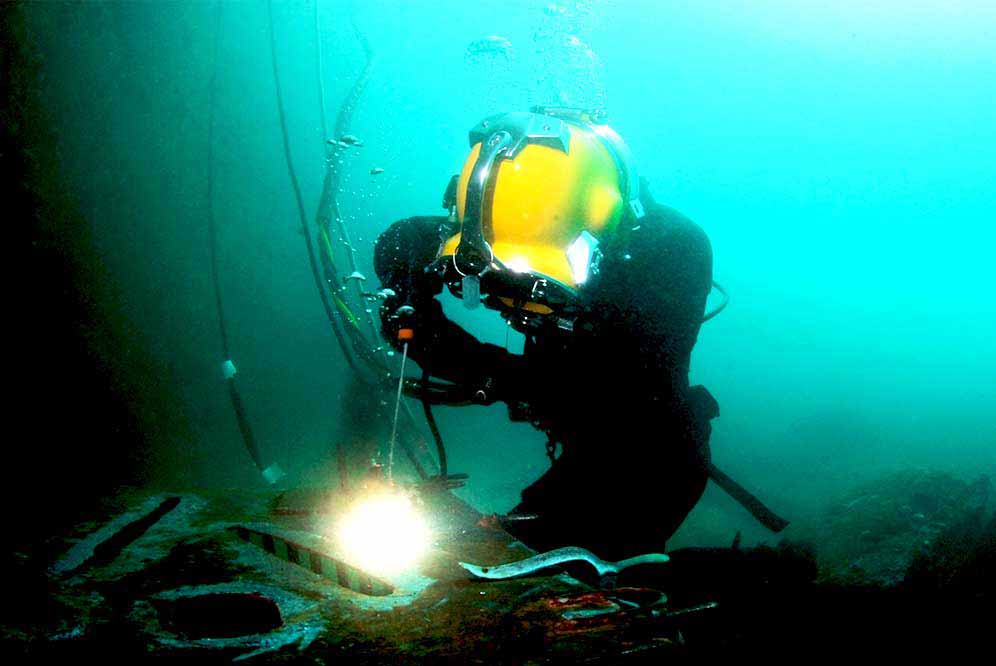
Underwater welding is extremely dangerous due to the high risks of electrocution and drowning. Underwater welding is a dangerous profession that involves welding in a submerged environment, such as in the ocean's depths or inside water-filled structures. This hazardous process is characterized by two primary risks: electrocution and drowning.
How Dangerous is Underwater Welding?
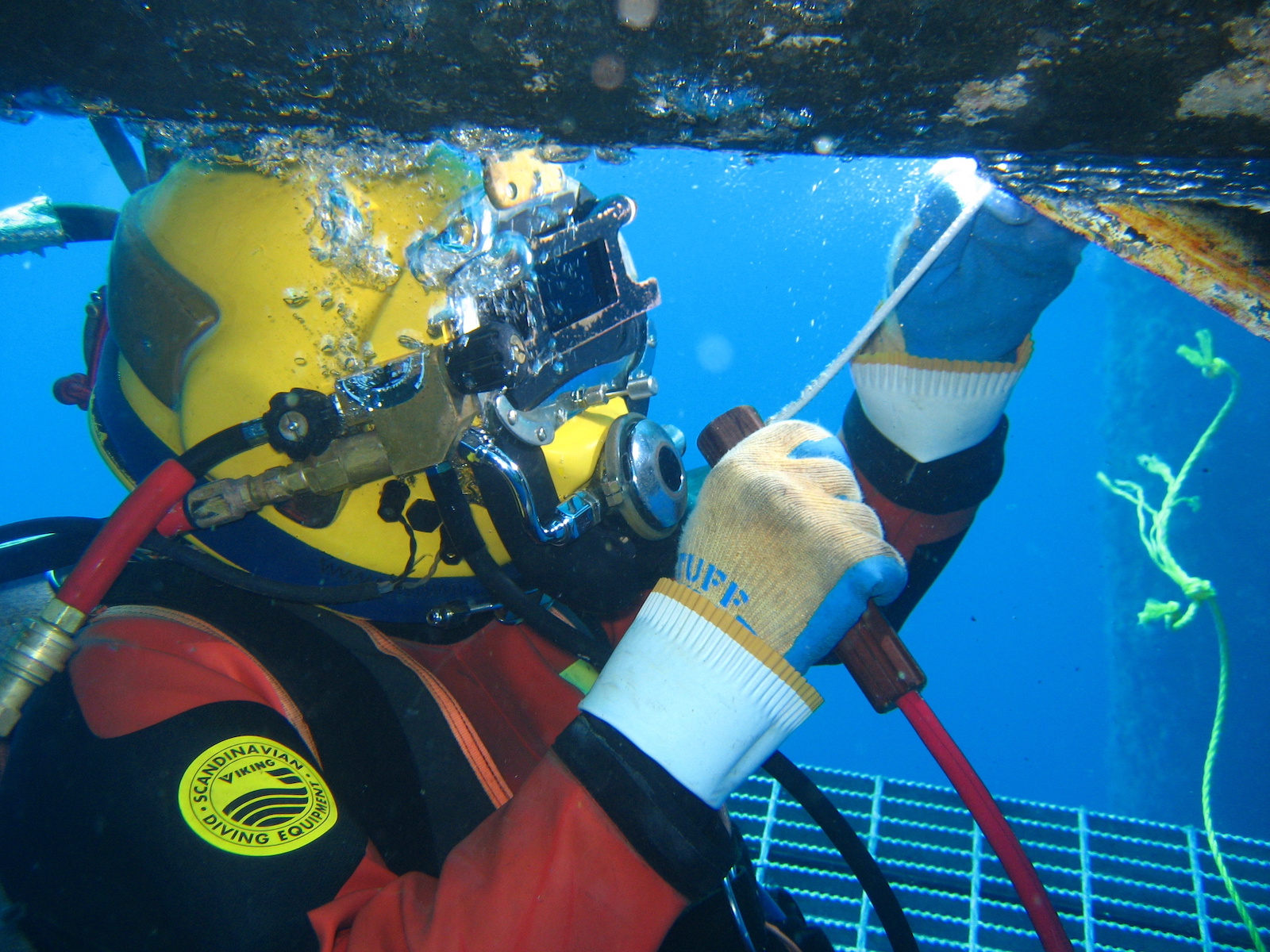
Underwater welding is a highly specialized and risky profession that involves welding in the underwater environment's harsh and often unpredictable conditions. The dangers of underwater welding.
Why Underwater Welding Is a Dangerous Job Electrical Safety in the Workplace
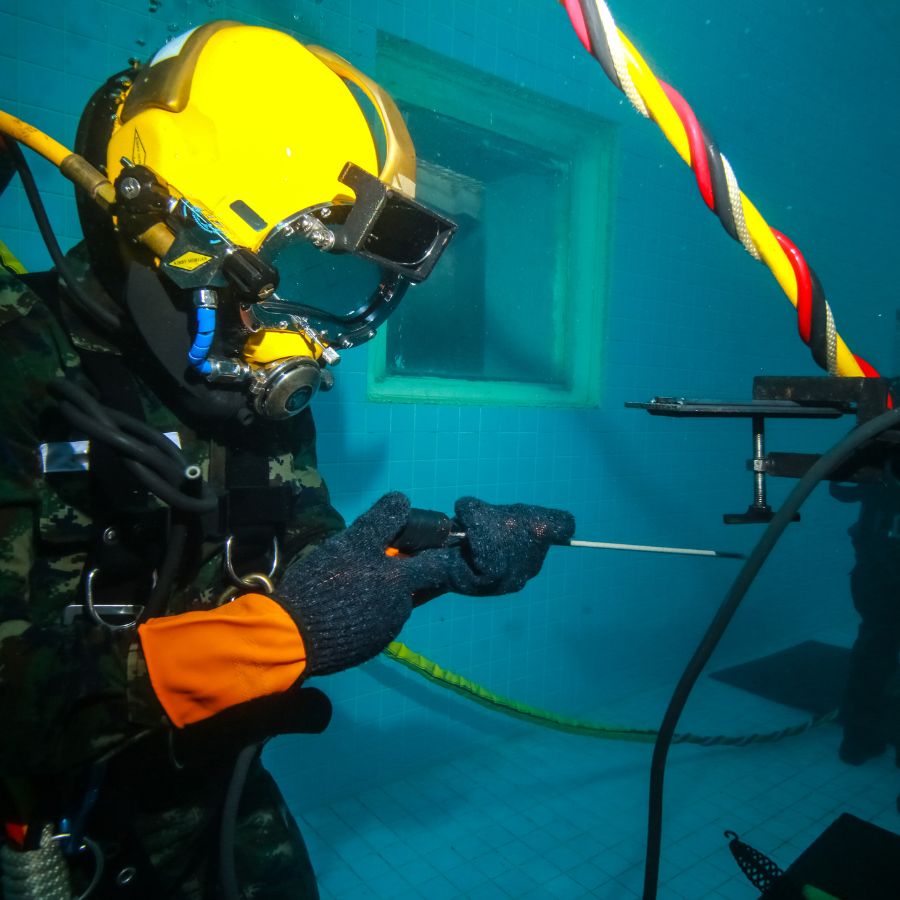
Underwater welding is dangerous due to the potential of explosions, electrocution, drowning, delta P hazards, and the bends. Underwater welders are exposed to the dangers of diving and welding combined, and the field has a high fatality rate. Environmental factors such as low visibility and environmental risks also make this job hazardous.
How Dangerous Is Underwater Welding(Dangers & Risks) Welding Trends
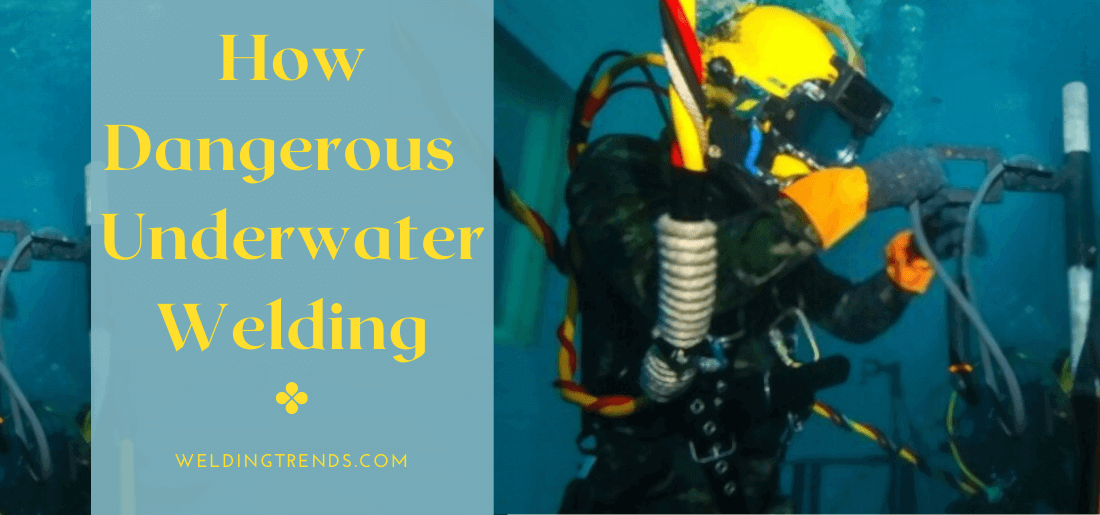
Here are some of the most common dangers faced by underwater welders. Electric Shock - Electrocution is the biggest threat to underwater welders. Special waterproof equipment must be used for all underwater welding jobs. It is essential that all equipment be properly tested and insulated prior to use. Explosions - Gas pockets created by the.